Berlin in February can be cold. This time, it was extremely cold. Yet, somehow, that frost only makes Fashion Week feel more alive — a creative bubble in the icy city where people, ideas, and designs collide in ways you won’t find anywhere else.
Over four days, I dove headfirst into this chaos — or, more accurately, embraced the chaos, one unexpected runway, showroom, and installation at a time. Here’s how it went.
BFW Day One: Discovering the Berlin Pulse
Our first stop was Raum.Berlin, a space where designers show their collections not on a catwalk but through installations. You can actually speak to the creators — real conversations, real connections. And the crowd? Everyone from seasoned fashion insiders to curious creatives, proving style isn’t about age, it’s about attitude.
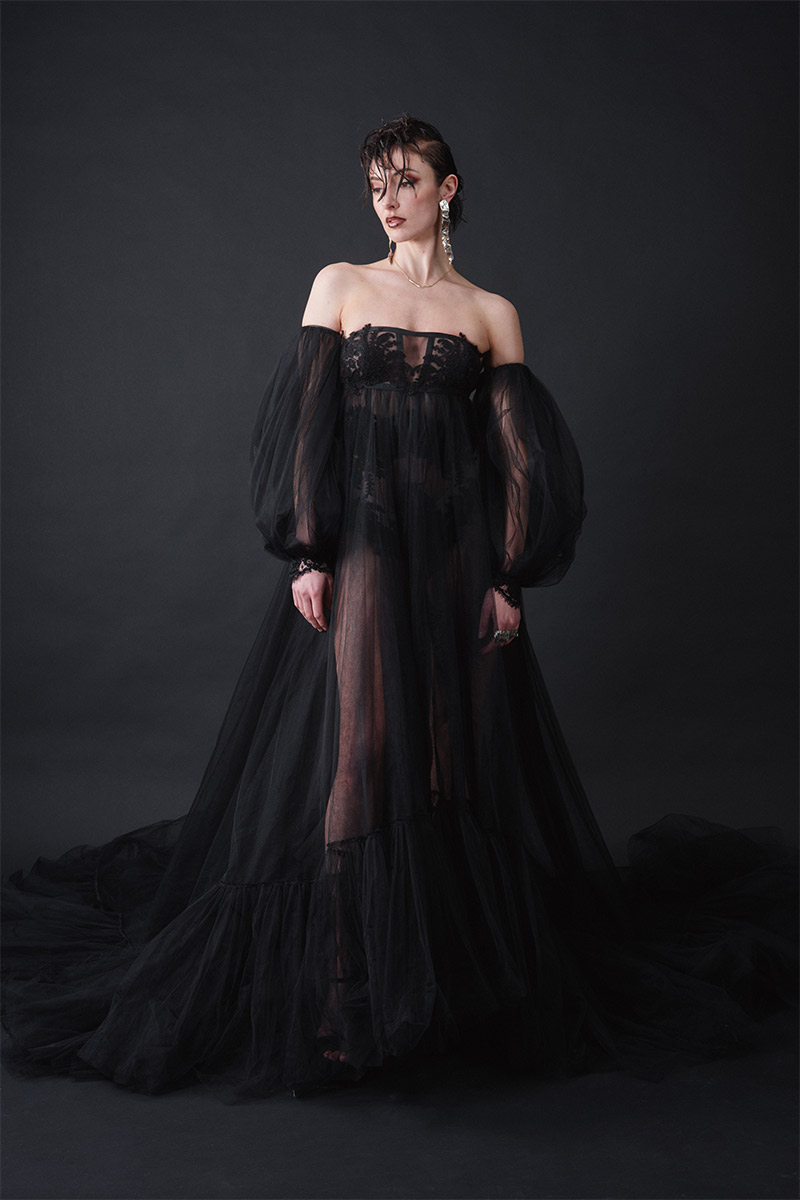
RAUM BERLIN: SELVA HUYGENS & ESTHER PERBANDT
Designers like Selva Huygens brought dark, bold, slightly rebellious energy — very Berlin. Nearby, Esther Perbandt represented sharp, confident tailoring, the city’s unmistakable attitude in a nutshell.
THE INDEPENDENT BERLIN UNDERGROUND SCENE
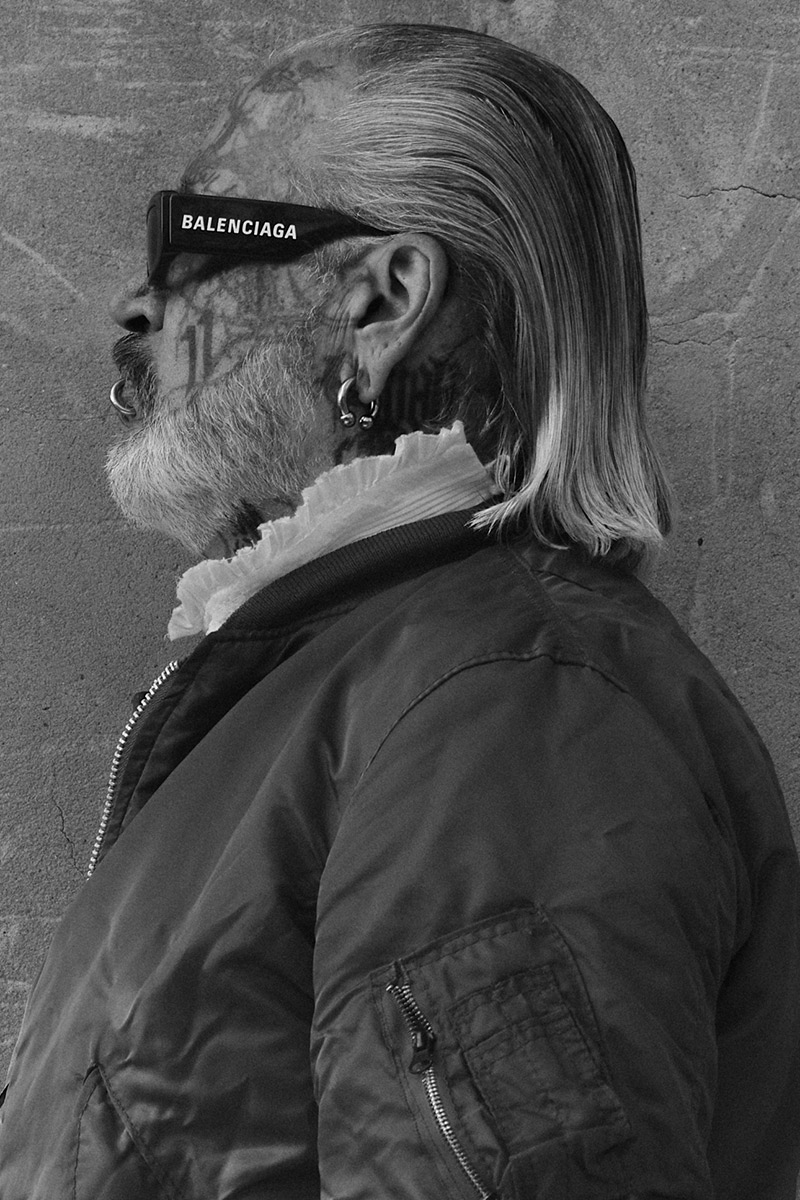
At Platte Berlin, curated by Sven Marquardt, emerging designers showcased future-facing fashion.
The PLATTE.Berlin Nex Gen Project empowers the next generation of fashion designers and creatives by giving them a platform to present bold ideas, experiment, and connect with the industry. Located in the heart of Berlin, the initiative fosters innovation, collaboration, and visibility for emerging talent shaping the future of fashion and culture.
❤️❤️IMPARI❤️❤️
The personal highlight? Jana Heinemann and IMPARI. Her sustainable, PET-based pieces mix individuality with purpose, reminding us that responsible fashion can be just as compelling as high glamour. We will show you much more including a Podcast talk with Jana very soon.
Evenings in Berlin are always full of surprises. From the Doofer Street Market to the COLRS Store party, the city’s creative crowd transitions seamlessly from runway to nightlife. Day one set the tone: authentic, personal, and vibrantly Berlin.
FASHION WEEK Day 2: Luxury, Craftsmanship, and a Bitter Berlin Wind
Day two was more structured — a little slower, because running between shows is basically a sport. We started at Marcel Ostertag’s showroom in the historic Westin Grand Hotel. The staircase alone makes you feel like you’re entering a different era, yet Ostertag’s modern designs are glamorous and bold.
We revisited Platte Berlin, checking in on Selva Huygens and discovering Haderlump, whose pieces act like armor: protective, expressive, and personal.
On the runway, Lou de Betoly explored chaos and surrealism in hand-embellished garments, while SF1OG reimagined German heritage with sustainable fabrics and playful experimentation.
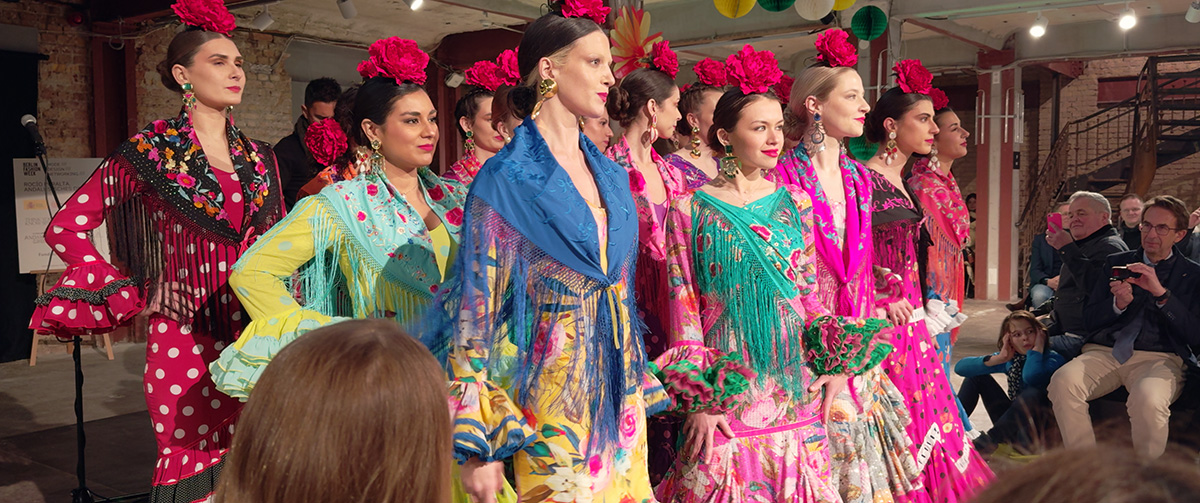
Evenings brought sunshine to icy Berlin with Rocío Peralta’s flamenco-inspired collection, and Nigeria’s Orange Culture reflected on mental health through vibrant, androgynous silhouettes. The night ended at Club der Visionäre, with deep red lights, DJs, and ice cream. Exhausted feet aside, it was the perfect Berlin ending.
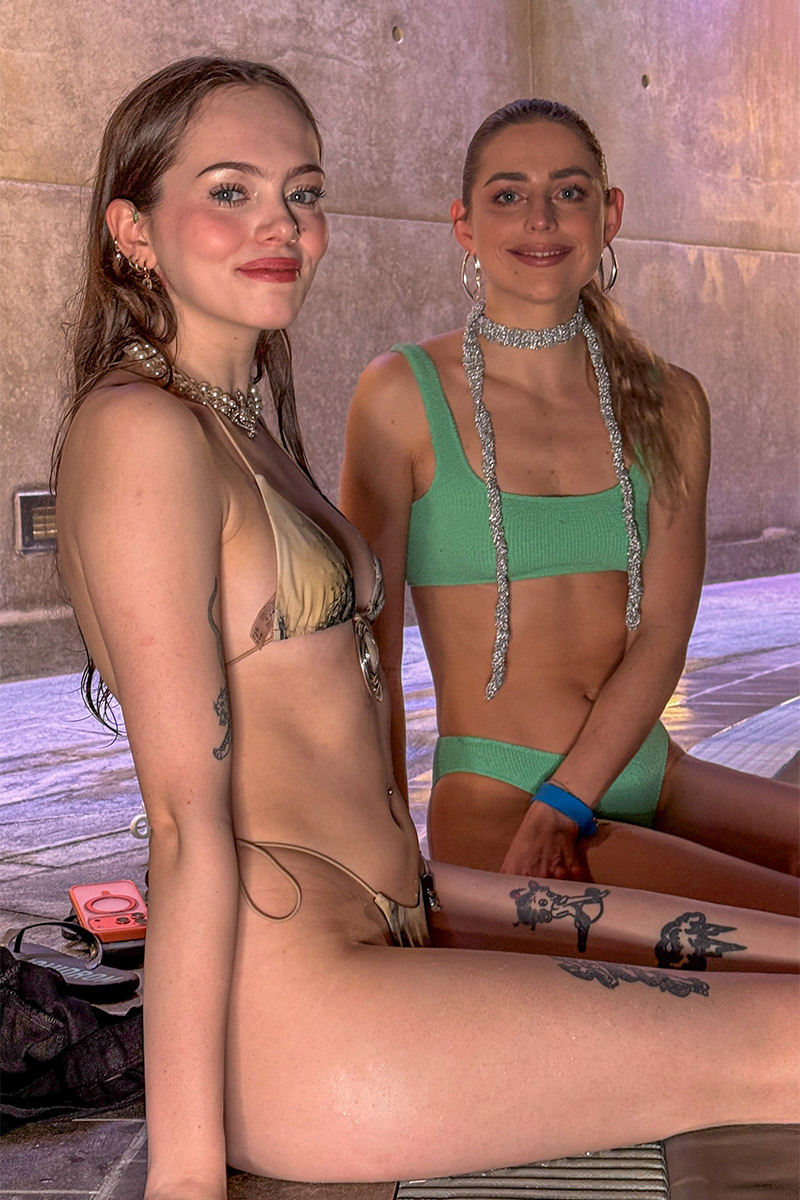
Day Three: Spa, Steam, and Water Runways
Finally, my first day at Fashion Week — and Berlin did not disappoint. The day began at Thomas Hanisch, returning after ten years with his Exos collection. Inspired by animal protection systems, horns, feathers, and shells translated into fashion reflecting both vulnerability and strength.
Then we explored installations at Raum.Berlin, including LUEDER by Marie Lueder — sportswear meets armor, sustainability meets self-expression.
But the real highlight? Liquidrom, hosting Damur Huang’s #DAMUR show. Models floated in the warm saltwater pool while DJs filled the dome with house beats. Watching fashion next to steam rising from water while snow fell outside? Only in Berlin.
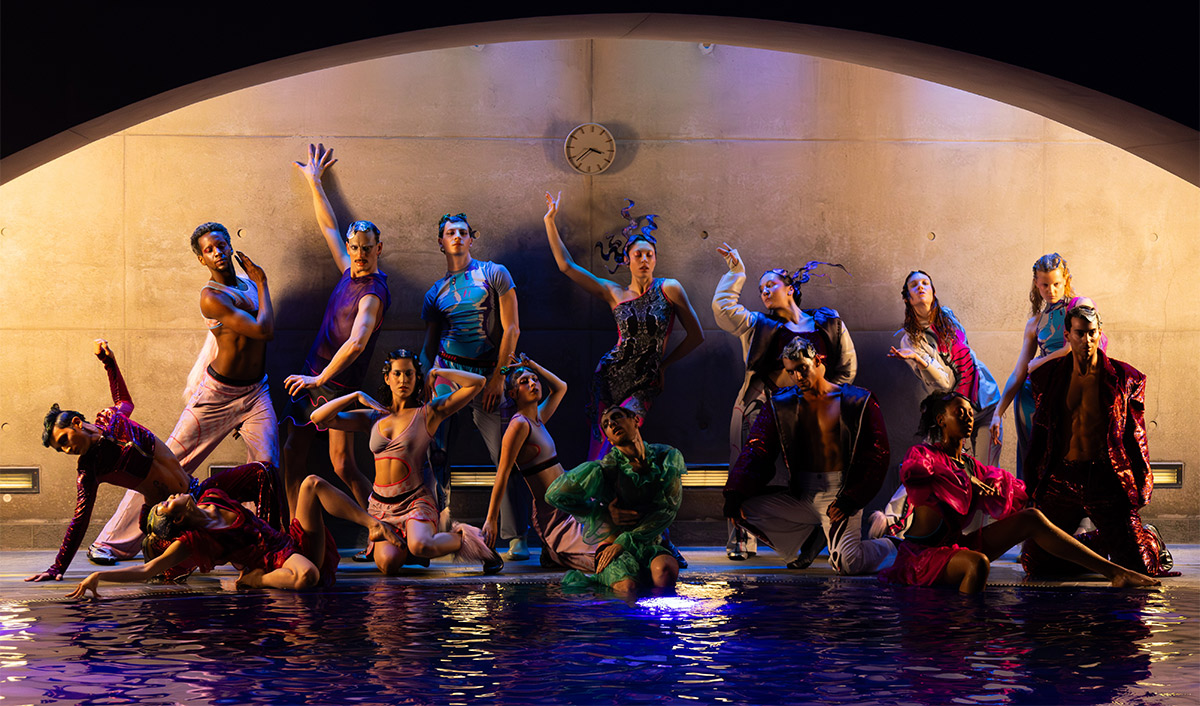
We also visited Knit to Change, a Russian-Ukrainian collaboration proving that fashion can unite in ways politics often cannot, and discovered PLNGNS, which turns old sneakers into streetwear — sustainability as urban art. But it’s more than that — the Ukrainian label is quite literally fighting for survival.
The snow on the models’ heads wasn’t just a reference to the winter collection. It symbolized something far more real: in Kyiv, the home and workplace of designer Mitya Hontarenko, infrastructure is collapsing, and in February temperatures inside apartments reportedly dropped to –5°C. Hard to imagine — especially when we complain about the cold outside.
Moments like this remind us that shows like these are about much more than just fashion.
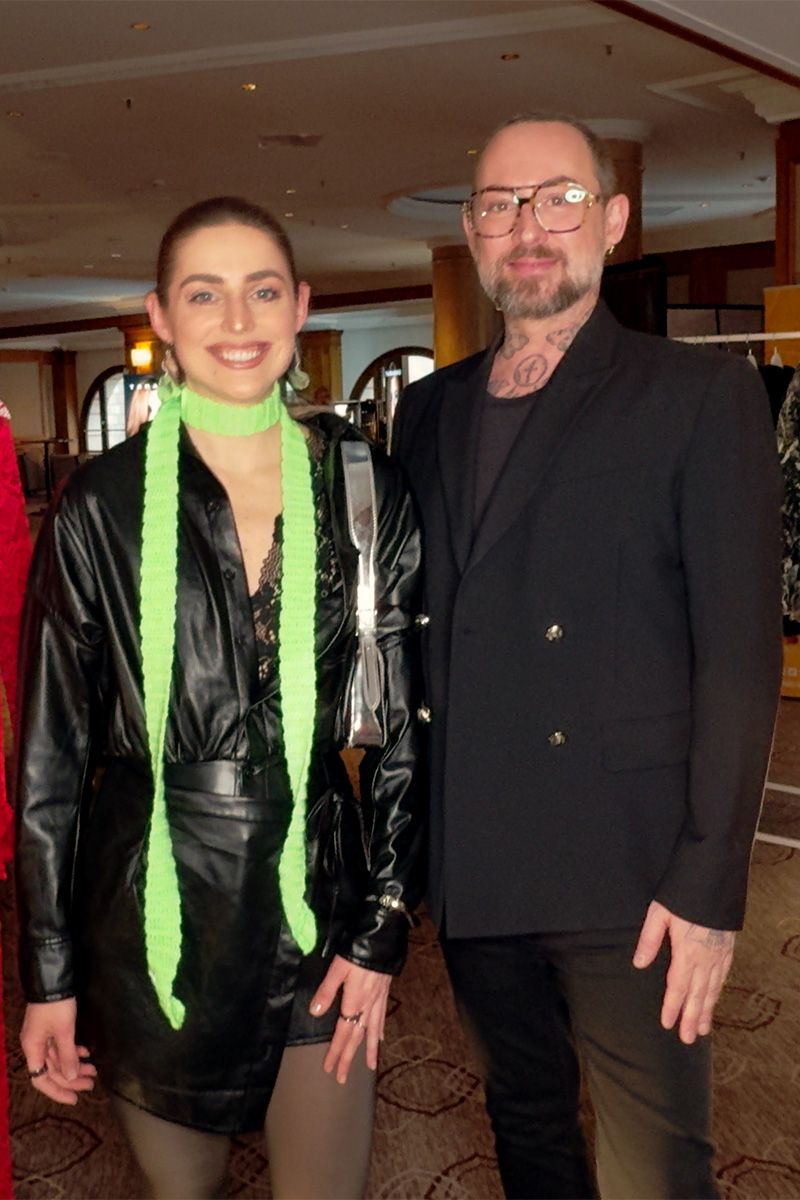
We revisited Mitya Hontarenko at the Fashion Council Showroom, whose bold vests were as much about survival and resilience as they were about style. Here, Jana Heinemann from IMPARI popped by, still radiating energy despite the madness of Fashion Week.
Floating in the spa at the end of the day, I realized: Berlin Fashion Week isn’t just about shows. It’s about connection, creativity, and unexpected spaces where ideas breathe.
Day Four: Ice, Art, and Powerful Farewells
The final day opened with frozen streets but heated creativity at Raum.Berlin, where installations by Maximilian Gedra and SVEASØN set the tone. Karin Brettmeister brought radical individuality to bridal fashion with her label Ritual Unions.
While Uganda’s BUZIGAHILL critiqued global clothing waste in Return to Sender, turning Western secondhand garments into new designs. Showrooms, like the Berliner Salon at the Kulturforum, offered slower, more intimate experiences: talk to designers, see details, feel the craftsmanship.
Designers like Laura Gerte and GmbH closed the week — the latter in the monumental industrial halls of Kraftwerk Berlin, a perfect reminder that Berlin’s fashion pulse is as much about space, energy, and people as it is about garments.
Four days, countless conversations, installations, and performances. Fashion in Berlin isn’t just clothes on a body — it’s a living, breathing, slightly chaotic dialogue between people, ideas, and the city itself.
And somehow, freezing temperatures and unexpected venues only make it more memorable. Berlin, until next time.
Text & Video: Marco Kokkot, VALEUR MEDIA 2026